CEO & SENIOR LEADERSHIP ADVISOR
When the Stakes Are High,
Strategy Is Not Enough.
Leaders don't fail because they lack ideas.
They fail because of what happens after the strategy is set.
I work with senior leaders on high-stakes decisions, when something important is not working as expected.
THIS WILL FEEL FAMILIAR
Most leaders I work with are dealing with one of three things
— A major transformation — AI, digital, platform — that you're betting the future on.
And it's not moving as fast as expected.
— A new growth initiative where you've already invested time, money and reputation.
And you're starting to wonder if it's really working.
— Or stepping into a role where you're trying to figure out what's actually working — and what's just been carried forward.
And the goalposts keep moving.
If you're in one of these situations, the issue is rarely the obvious. It's what happens next.
THE HIDDEN FAILURE POINTS
Strategic bets don't fail because they are wrong
They fail because leaders miss three critical things:
01
Playing the Wrong Game
Optimizing harder when the game has changed
02
Running the Wrong System
A new strategy trying to run on infrastructure built for the old one
03
Not hearing the Real Story
The more senior you are, the more filtered the truth becomes.
These are not obvious — until they become expensive.
25 YEARS INSIDE HIGH-STAKES DECISIONS
Not advising from a distance.
Accountable for the outcomes.
McKinsey. Harvard Business School. Disruptive Innovation learned from Clayton Christensen.
Coca-Cola, IHG, Danone.
Start up Founder. Venture GM. CEO Partner.
Strategy, Finance, Operations.
Not as a consultant or advisor. But as a leader inside the room, accountable for decisions and the consequences.
The difference between insight in theory — and insight from lived experience.
THE STAR FRAMEWORK
What separates change that succeeds from change that stalls?
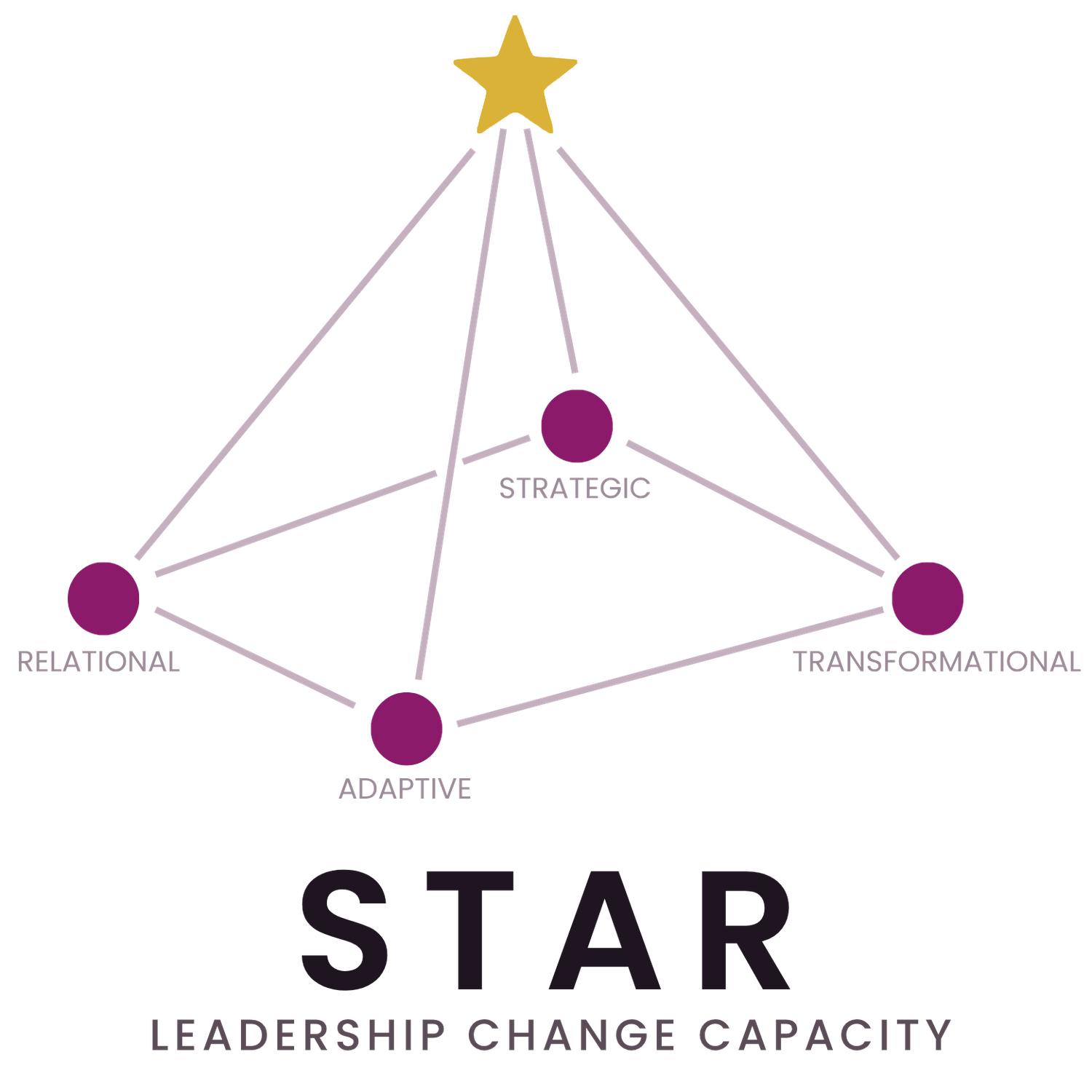
These four capacities
After 25 years leading change and advising leaders in global organizations, I've found that the difference between change that succeeds and change that fails comes down to four leadership capacities.
In every situation where something is not working, at least one of these four capacities falls short.
Strategic
WITHOUT THIS:
Leaders optimize for today — and miss tomorrow.
WITH THIS:
Leaders spot what's coming — and reshape strategy before others.
Transformational
WITHOUT THIS:
Initiatives stall. The system fights the strategy.
WITH THIS:
The system becomes an ally, powering change from within.
Adaptive
WITHOUT THIS:
Teams work harder. But without traction or results, they burn out.
WITH THIS:
Leaders recharge and sustain strength for the long haul.
Relational
WITHOUT THIS:
Feedback gets filtered. Truth stays hidden as people self-protect.
WITH THIS:
Hard truths surface early — so leaders decide with clarity.
HOW I WORK
I get called in when leaders need to decide
Is this the right bet?
Are we set up to make it work?
What needs to change now?
HOW IT STARTS
It begins with a single conversation.
There is no standard engagement format — because no two situations are the same. The work is designed around your actual challenge, not a pre-built program.
It starts with an honest conversation about what's actually happening — and one question:
What's the one shift that would make the difference?
"We had 6 straight years of double-digit growth, then it hit a wall. In the middle of this, we also lost a key leader. I needed someone I could trust, who could give me the unvarnished truth,
Adeline jumped right in alongside the team. She helped us see what we missed about what was happening in our industry, and also the internal obstacles to change. With her help, we made some tough decisions.
A year on, we're growing again — and excited for the future."
CEO, MID-SIZED SERVICES COMPANY
HOW WE CAN WORK TOGETHER
I work with leaders in three ways —
each designed for a different need
Strategic Decision Support
For high stakes decisions where the cost of getting it wrong is high
Working directly with senior leaders when the path forward is unclear — to get clarity on the real problem and design the path forward.
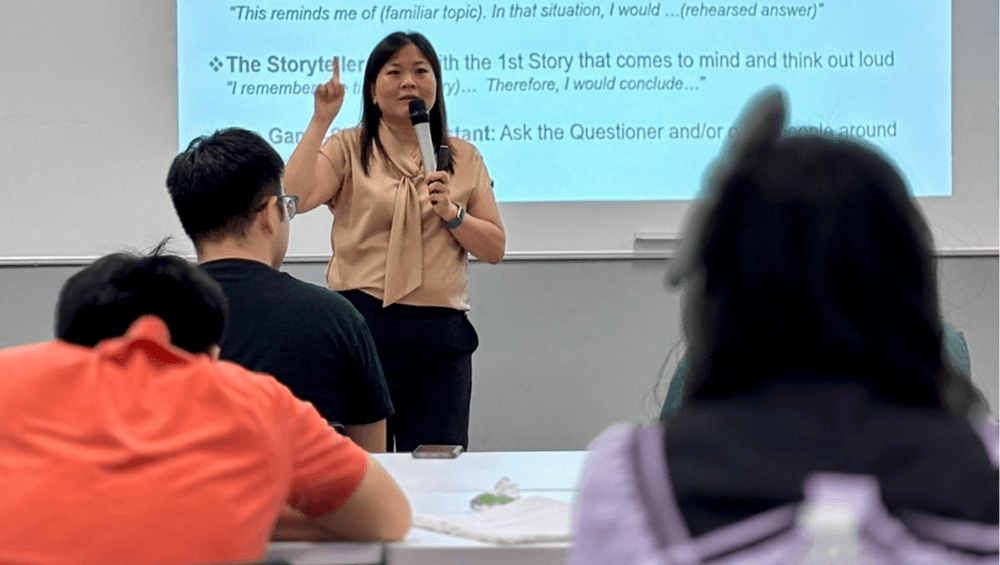
Leadership Workshops
For leadership teams navigating a live challenge, not a case study
Anchored to real business challenges your team is currently managing — applying lessons from similar real-life examples they can apply to their situation.
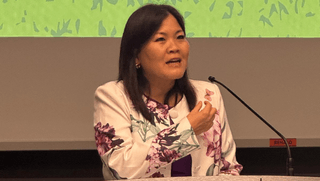
Keynote Speaking
For leadership offsites where the team needs fresh perspectives
Leaders don't just leave with motivation. They leave with new insights, deeper clarity, and a sharper focus on what needs to change.
THE EXPERIENCE BEHIND THE WORK
About Adeline
Adeline Ng has spent 25 years inside high-stakes decisions — not advising from a distance, but accountable for the outcomes.
She started her business career at McKinsey & Co, earned her MBA at Harvard Business School, and then learned disruptive innovation from Clayton Christensen (The Innovators Dilemma) at Innosight.
She spent the next two decades in leadership roles at WhiteWave Danone North America, IHG, and Coca-Cola — leading strategy and finance, launching new ventures (including a Top 5 beverage launch that is today a billion dollar business), and navigating complex transformations that don't come with a clear playbook.
She co-founded a digital venture, Virtual EMDR — building it from zero to the #1 online trauma therapy platform in the world. Through Enterprise Singapore, she also advises CEOs of mid-sized companies at strategic pivot points, guiding them on digitalization, internationalization, and expanding into adjacent high-growth territory.
That unique combination — of McKinsey strategic rigor, coupled with in-the-trenches leadership experience in Fortune 500 companies, and the first-hand journey of a founder — is what she brings to the leaders she works with now.
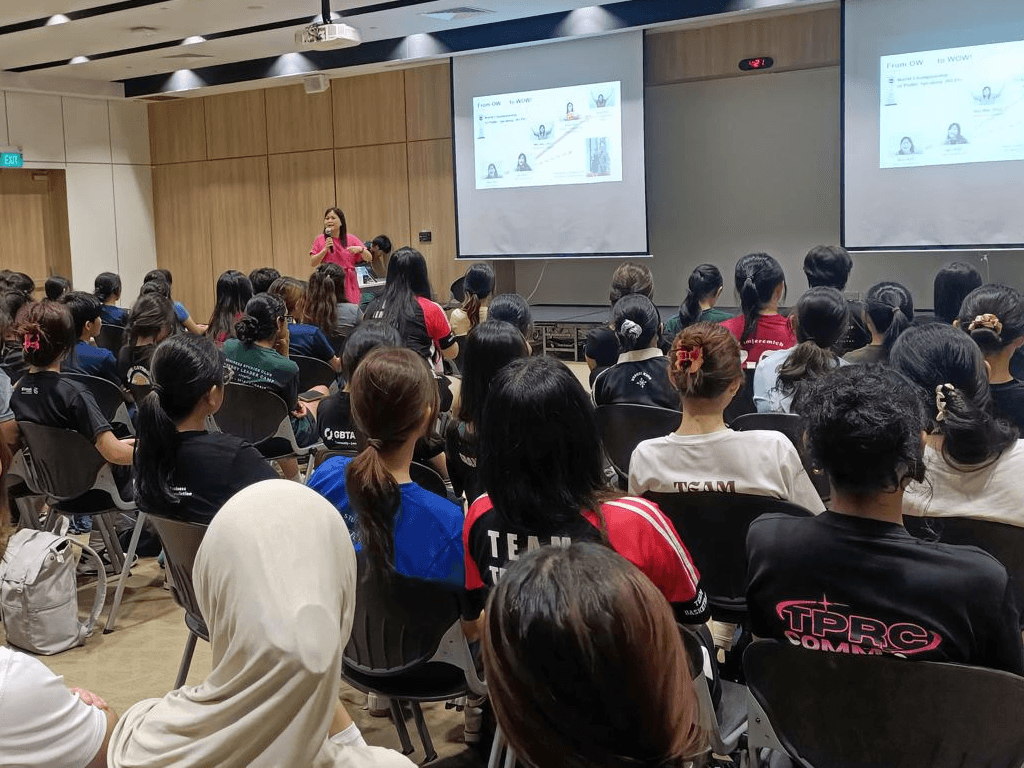
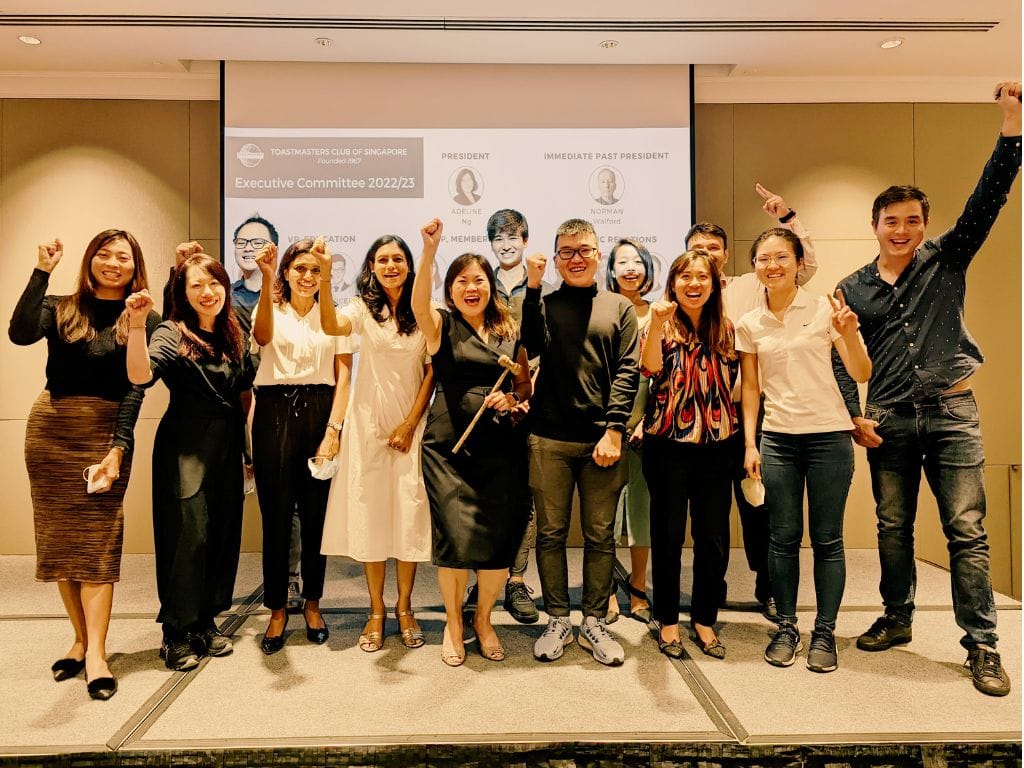
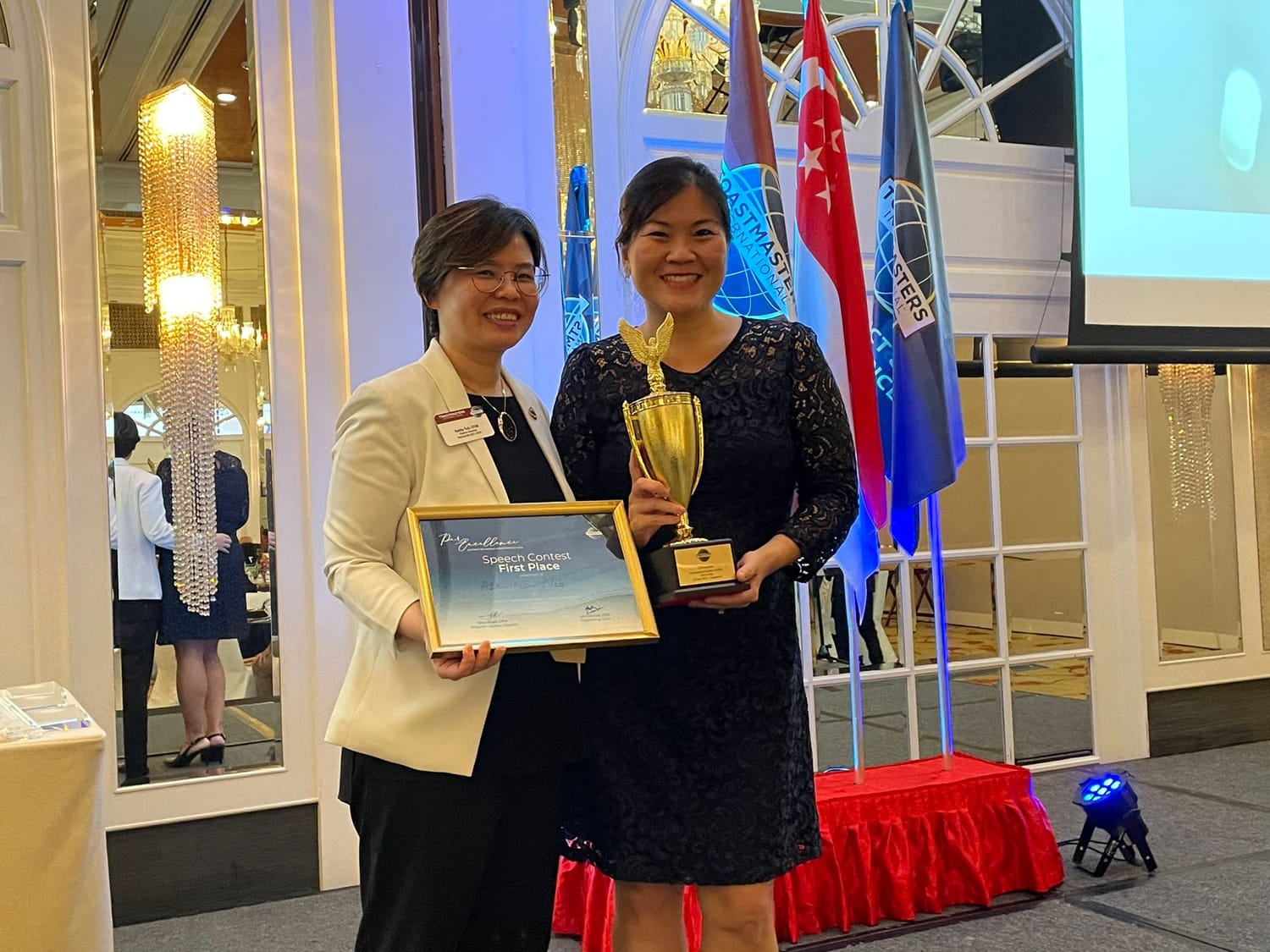
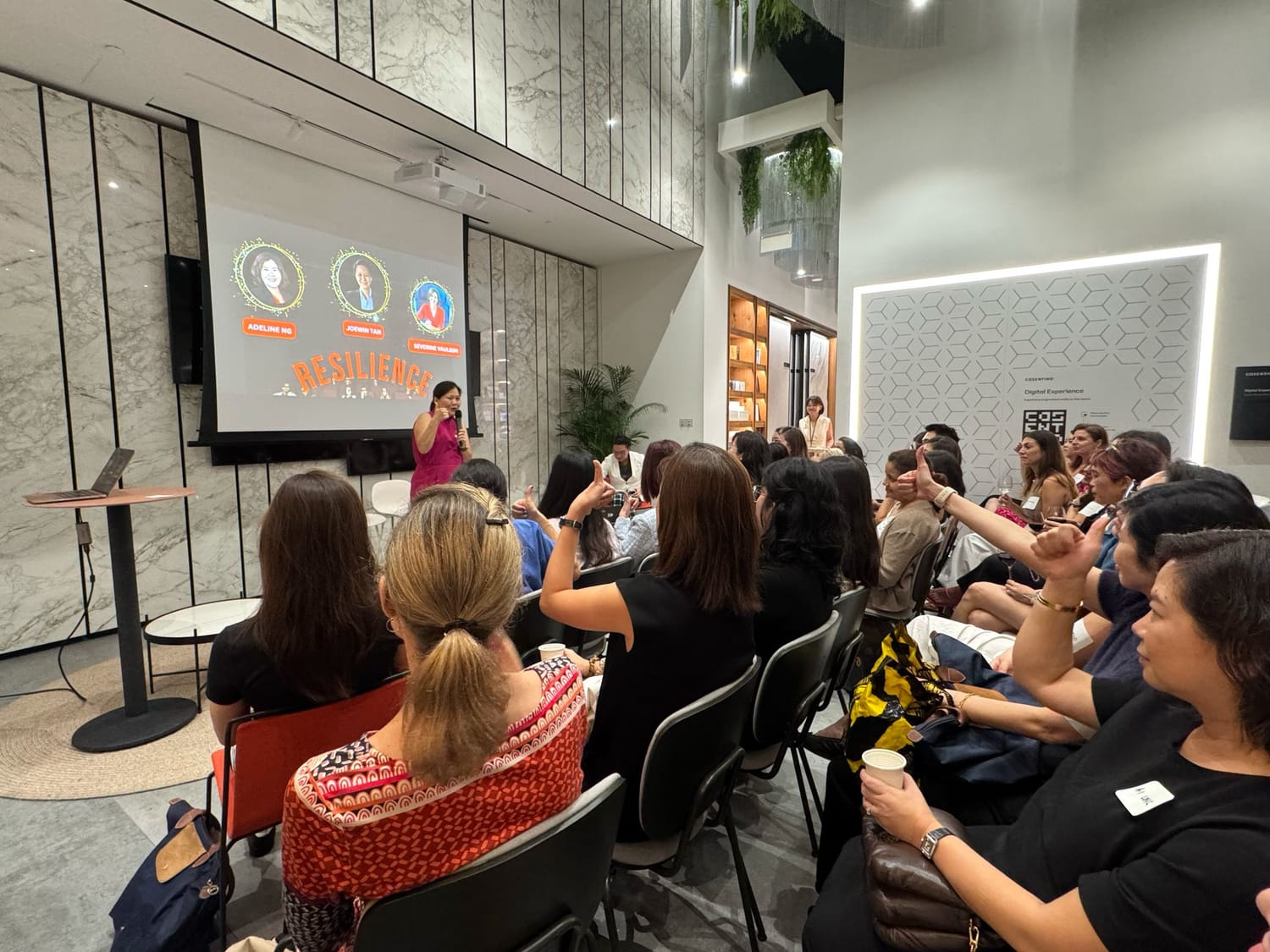
She is a two-time Singapore speech champion, representing Singapore at the World Championship of Public Speaking in 2022. She is actively involved with Toastmasters (serving as president of one of the largest clubs in the world, Toastmasters Club of Singapore), Harvard Business School Club of Singapore (co-leads the mentorship program), and regularly speaks at events for women and young professionals.
Organizations worked with:

































If you're working on something where the stakes are high, and you're not fully sure you're on the right track —
Let's talk.

This short diagnostic assesses four critical leadership capabilities required to deliver transformation: Strategic, Transformational, Adaptive, and Relational capacity.
Relational Capacity
Most leaders underestimate how much of change is a social problem. The strategy is clear. The logic is sound. And still — people resist, disengage, or wait it out.
Change moves through relationships. Through trust built before the hard conversation, through the ability to stay curious when someone is resistant, through knowing whose silence signals doubt rather than agreement.
Leaders without it push harder when they need to listen differently.
Leaders with it know that influence precedes execution.
What this looks like in practice:
Building trust before it's needed, not after it's been lost
Reading what's unsaid in a room — resistance, doubt, quiet disengagement
Maintaining productive relationships through disagreement and pressure
Not Why aren't people getting on board?
but What does this person need to be able to move?
Adaptive Capacity
Most leaders manage change by managing the plan. But plans don't account for the unexpected — and the unexpected is where most change efforts unravel.
Adaptive capacity is what keeps a leader functioning when the map no longer matches the territory. It's the difference between responding thoughtfully and reacting defensively when conditions shift.
Leaders who lack it become rigid when they most need to flex.
Leaders who have it get steadier as things get messier.
What this looks like in practice:
Staying regulated under pressure without losing decisiveness
Updating their view when new information challenges the plan
Holding uncertainty without defaulting to premature closure
Not How do we get back on track?
but What does this situation actually require of us now?
Transformational Capacity
Most transformation efforts are well-designed on paper. They fail in the system they're trying to change.
The incentives still reward the old behavior. The structure still reflects the old priorities. The metrics still measure the old outcomes. You cannot run a new strategy on a system built for the old one.
Leaders who keep running old systems under new strategies work harder for diminishing returns.
Leaders who redesign the system make the strategy possible.
What this looks like in practice:
Identifying where the current system actively contradicts the new direction
Recognising early signals that execution is drifting from intent
Managing the internal human journey of change, not just the external milestones
Not How can we do more?
but Where is the system fighting the new strategy?
Strategic Capacity
Most leaders are skilled at executing within a known game. The danger comes when the game changes — and they don't notice until it's too late.
Disruption doesn't announce itself. It arrives as a signal that's easy to dismiss: a competitor doing something strange, a customer behaving differently, a metric that quietly slides.
Leaders without strong strategic capacity work harder to optimise for today.
Leaders with it ask a different question entirely.
What this looks like in practice:
Recognising when existing assumptions no longer hold
Seeing weak signals before they become expensive problems
Reframing the challenge before committing further resources
Not Do we have a strategy?
but What's the new game we should be playing?